
Edible Tree & Shrub Landscaping
Through its expertise and range of services, Arboplus promotes sustainable development and environmental stewardship. Our landscaping approach follows the same philosophy, integrating ecological principles at every stage. The objective is to create a balanced, tree-centered ecosystem that requires minimal maintenance. The result: lower long-term costs and a landscape that delivers lasting value.
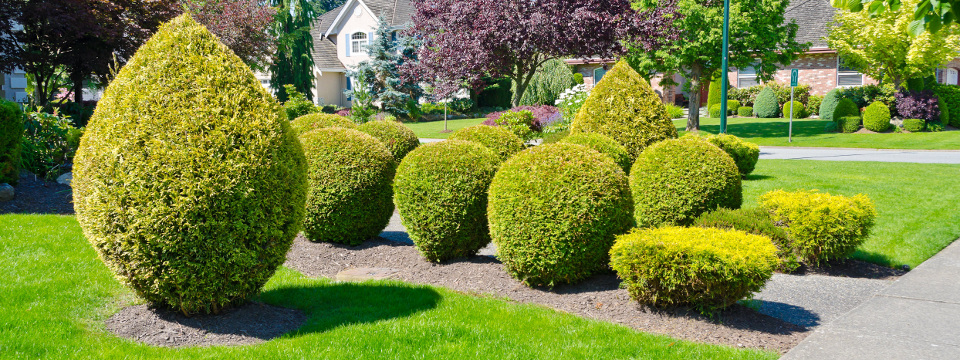
Our edible landscaping specialists design plant arrangements centered around trees, shrubs, and perennial species that combine beauty, productivity, ecology, and even gastronomy. Services range from consultation and design to installation and long-term follow-up. Using permaculture principles, we create landscapes that are both visually striking and productive. Each design includes soil enrichment, plant pairing strategies for productive companion planting, and hydrological planning such as rainwater harvesting. We provide a complete design plan, a project estimate, and a detailed plant portfolio with visual and informational sheets for each selected species.
The Ecological Landscape Approach
Beyond food production, ecological landscaping goes far beyond aesthetics. While visual appeal remains important, plant selection should prioritize species adapted to our local environment—especially trees and hardy shrubs that support biodiversity.
Traditional lawns and ornamental plantings often require heavy watering and synthetic fertilizers that may contaminate groundwater. A better alternative focuses on resilient woody plants arranged in mutually supportive systems. This ecological balance promotes long-term vitality while minimizing maintenance demands.
An Edible Landscape: A Healthy Choice
Edible plants are not limited to gardens or farms. Fruit trees, berry shrubs, and edible perennials can be integrated throughout your property in thoughtful, visually appealing compositions.
Beyond sustainability, edible landscaping provides fresh fruits, vegetables, and herbs grown without synthetic pesticides. Your table benefits from clean, flavorful harvests grown directly on your property—an ecological and health-conscious investment for your family.
A Civic Ecology Practice
Reintroducing food production into urban environments is a powerful ecological initiative. In reconnecting with tree planting and food cultivation, we rebuild our relationship with nature. Research shows that interaction with natural environments supports both mental and physical well-being, while reducing stress.
Knowledge gained through cultivating trees and edible landscapes strengthens household and community resilience. By investing in green, productive spaces, we embrace a fundamental truth: nature thrives when responsibly stewarded.
Companion Planting
Want a landscape that works intelligently? Let plants support one another.
By arranging trees, shrubs, and companion plants according to their complementary functions, we create a self-regulating system. Pollination is supported by nectar-rich plants that attract beneficial insects. Nitrogen-fixing plants like clover naturally enrich the soil. Deep-rooted species draw nutrients upward for shallow-rooted plants. Aromatic plants can deter pests naturally, reducing the need for chemical intervention.
Consultation
Our edible landscaping team evaluates your functional, aesthetic, and food-production goals. With access to visual and informational profiles of over one hundred edible tree and plant varieties, you can make informed decisions tailored to your property.
Soil Testing
During consultation, soil samples are collected for analysis. Soil improvement is then integrated into the design plan to ensure long-term plant health and productivity.
Installation and Follow-Up
When you choose Arboplus for your edible landscaping project, you benefit from experienced ecological designers and structured follow-up care.
The installation process begins with site preparation and grading. Where applicable, structural elements such as terraces, stonework, or water features are installed. Natural soil inputs are incorporated before planting trees and shrubs. Final steps include mulching with ramial wood chips, staking where necessary, and installing irrigation systems designed for efficiency.
Gardens and Vegetable Plots
Applying the same ecological principles, we offer complete design and implementation services for gardens and vegetable plots that integrate harmoniously with tree-based landscapes.